


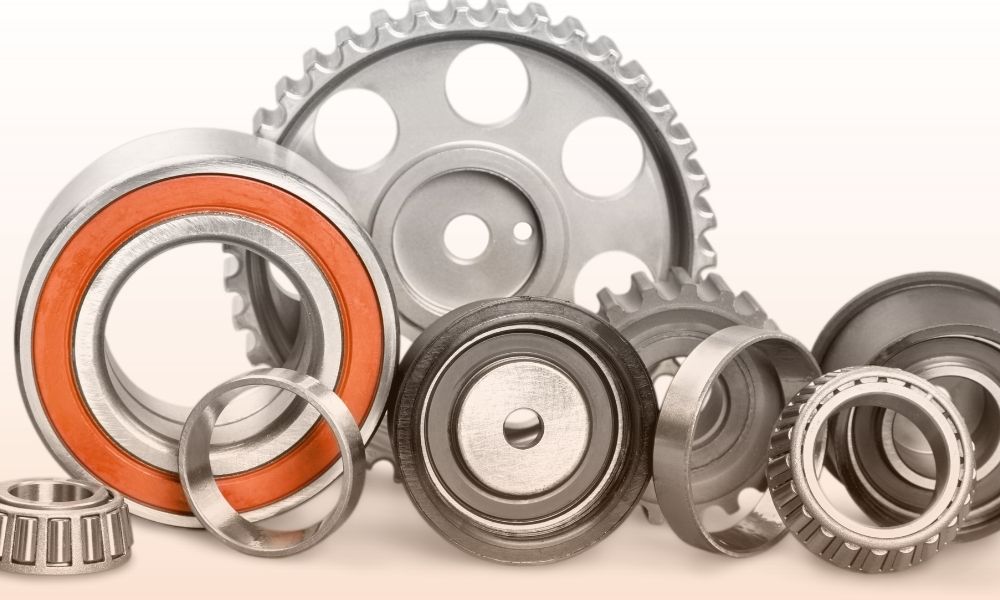
Rolling bearings are precision machine components that may be used in various applications. They are usually quite dependable, even in the most adverse situations. Bearings have a significant “service life” under typical working circumstances, as either a time or the total number of rotations before the rolling components or inner and outer rings tire or fail.
When a bearing breaks, it is due to preventable factors. Most bearing failures are usually attributed to a small group of causes that are often interrelated and correctable. As a result, drawing judgments about the cause of a problem by observing its appearance is useful. It is vital to address the underlying reasons to avoid future failures and related costs.
Bearing failure analysis gathers and evaluates bearing data to discover the reason for a bearing failure. It is a must in developing new or improved bearing products and applications. It is critical to diagnose a bearing failure to avoid recurring failure and further costs.
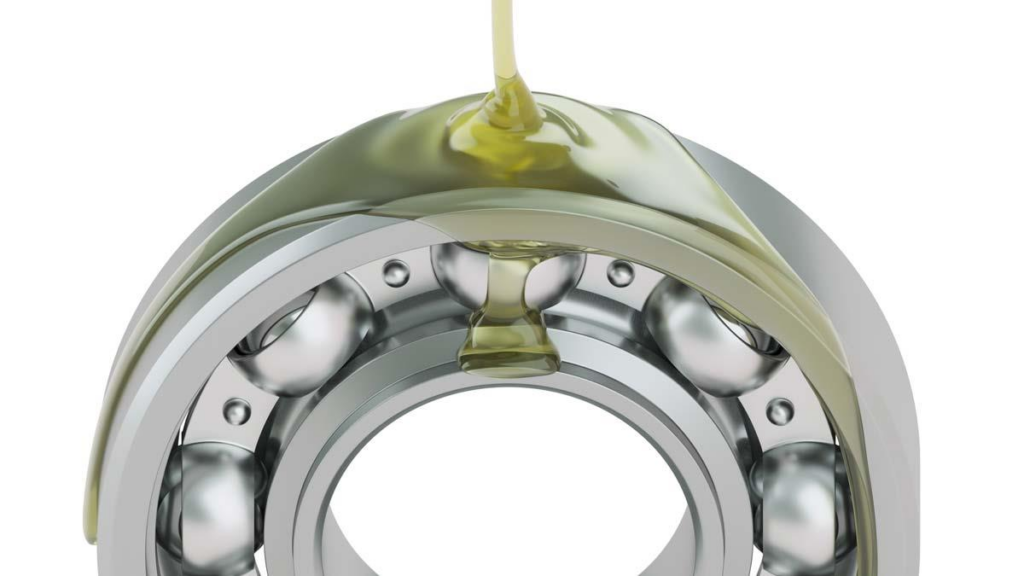
Data Collection and Analysis
The first step is collecting failure data. Get all the failed components related to the bearing failure and other related materials, test/failure data, specifications for materials used in the application, and even the customer’s design FEMA. Then, confirm actual operating conditions data and parameters found on a Materials Application Data Sheet. The next step is analyzing the date. This could be done through various types of analysis, such as Vibration Analysis and Ultrasound Analysis.
Vibration Analysis
There are several methods for using Vibration Analysis to investigate bearing failure. There are vibration tests, which are an effective method for measuring quality. Another is vibration monitoring, which relies on the well-known characteristic vibration signatures which rolling bearings exhibit as the rolling surfaces degrade. But bearing vibration cannot be easily measured in most situations. This often leads to a problematic interpretation of vibration data other than by a trained specialist and can, in some situations, lead to a misdiagnosis, resulting in unnecessary machine downtime and costs.
Ultrasound Analysis
Another analysis to consider is the Ultrasound Analysis. Ultrasound diagnostics for mechanical checks include bearing problems, pump cavitation, and valve condition. Users often verify a bearing condition by listening through a headset or trending decibel levels. By using sound recording and analysis, inspectors can also learn how a good bearing/bad bearing sounds, what happens when a bearing is being lubricated, and more.
These two procedures may provide a satisfying solution to the bearing failure. They may also suggest establishing a plan for advanced dimensional measurements or material analysis utilizing various non-destructive and destructive methods. When detecting machine issues, one should not always solely rely on one technology only. Using various technologies is more advantageous in capturing a full spectrum of issues that could be happening in your machine.
Good Bearing
Bad Bearing
Reporting and Recommendations
Issuing the Report
The final step in failure analysis is issuing the report. Depending on the scope, the report may be brief or highly detailed. A fundamental failure analysis report may suffice if it includes only background information, visual examination, and conclusions. This is often enough for routine failure analyses for a given customer’s application. However, technical analysis can be added if further detail is required to meet customer needs.
Advanced Analysis Strategy
If the fundamental analysis is insufficient, prepare a strategy that first uses non-destructive test and measurement techniques. Then, if needed, destructive testing can complete the failure analysis. Depending on the level of study required, the report may include these additional analyses to support conclusions and recommendations.
Preventing Bearing Failure
Selecting bearing technologies that match the application specifications, maintenance methods, fatigue life, and wear resistance helps avoid bearing failure. Premature bearing failure often occurs when operators overlook one or more key factors. Therefore, addressing these factors helps prevent future failures and reduces costs.
Support and Training
If you encounter any bearing issues, CRE Philippines, a reliability-centered laboratory, offers programs and solutions such as BearingCheck™, specifically designed to detect problems in your machine’s bearings. These tests cover wear metal elements, oil condition, and contamination.
To gain a deeper understanding of detecting bearing failures using airborne ultrasound or vibration analysis, contact us for training. Upcoming programs include:
Airborne Ultrasound Inspection I: January 23–27, 2023
Vibration Analysis I: February 8–11, 2023
Sources:
Diagnosing Bearing Failures Using Ultrasound Spectrum Analysis. Bearing-NEWS. (2022, April 26). Retrieved from https://www.bearing-news.com/diagnosing-bearing-failures-using-ultrasound-spectrum-analysis/
How to Do Bearing Failure Analysis. GGB. (n.d.). Retrieved from https://www.ggbearings.com/en/tribou/how-do-bearing-failure-analysis
Lacey, S. J. (n.d.). Using Vibration Analysis to Detect Early Failure of Bearings. AggNet. Retrieved from https://www.agg-net.com/resources/articles/maintenance-repair/using-vibration-analysis-to-detect-early-failure-of-bearings
SANTORA, M. I. K. E. (2017, January 31). Bearing failure and analysis. BEARING TIPS. Retrieved from https://www.bearingtips.com/best-practices-bearing-failure-analysis/